Neurocognitive Research
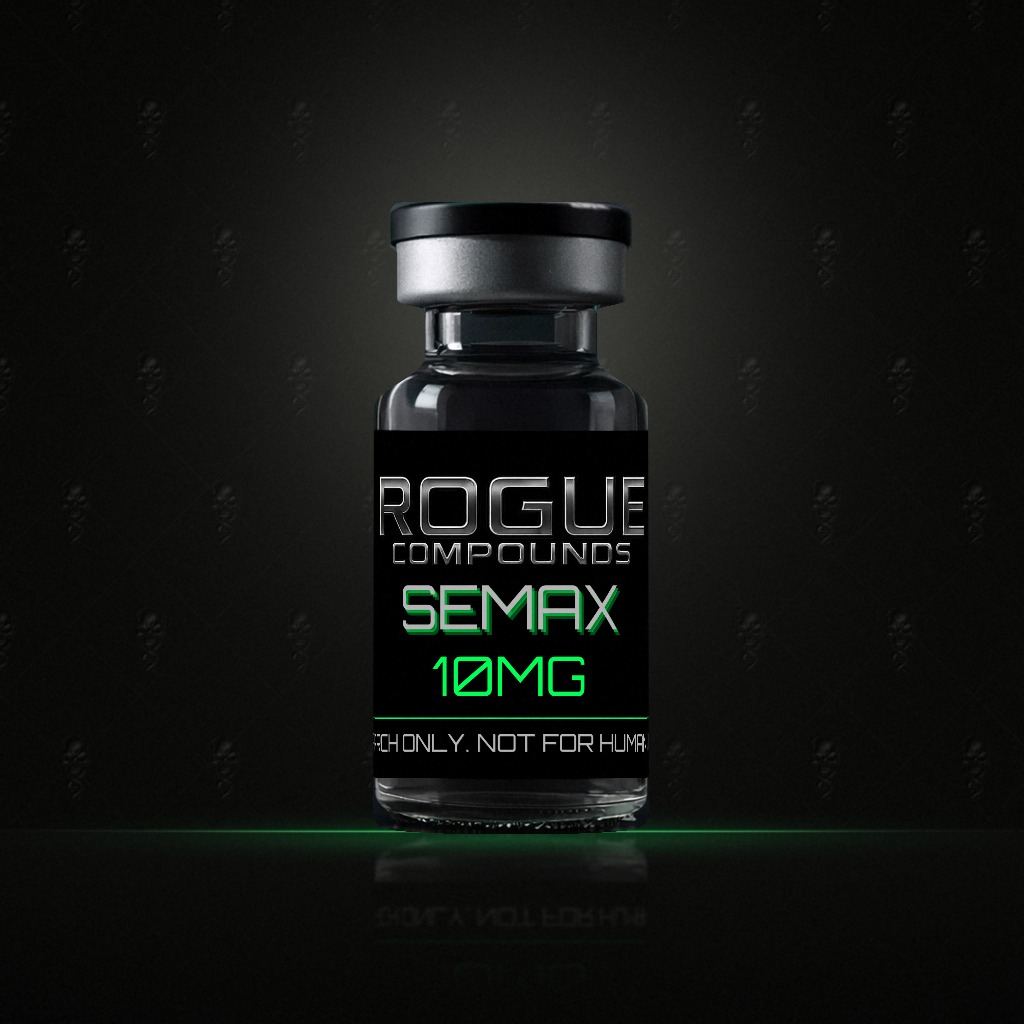
Semax
CAS 80714-61-0813.9 g/molSynthetic heptapeptide
Semax is a synthetic ACTH(4-10)-derived heptapeptide studied in research models involving neurotrophic signaling, BDNF expression, cognitive-pathway research, stress response, dopaminergic systems, and neuroprotection-related mechanisms.
$55.00
Out of stock
Want to be notified when back in stock?
UPS 2-Day shippingFree on orders over $250
2-day UPS shipping from the USATracked, discreet delivery on every order
Scan-to-verify labelBatch QR on the vial opens the lab’s own report. COA on this page.
Secure encrypted checkout
Visa, Mastercard, Amex, Discover, Apple Pay, Google Pay, Affirm, Link, ACH & Zelle
FOR RESEARCH USE ONLY (RUO). NOT FOR DIAGNOSTIC, MEDICAL, HUMAN, OR ANIMAL USE.
Technical Specifications
Compound Information
Molecular Profile
What is Semax?
CAS Number80714-61-0
Molecular FormulaC37H51N9O10S
Molecular Weight813.9g/mol
Compound ClassSynthetic heptapeptide
↗ View on PubChem
Storage Requirements
Stability Information
Store sealedProtect from lightKeep dry
2–8°C
Long-term storageLyophilized powder, as shipped. Keep sealed and refrigerated for maximum stability. Protect from light.
Cool & dry
Short-term storageStore sealed in a cool, dry place, protected from light.
For laboratory research use only. Not for human or veterinary use. Chemical data sourced from PubChem.
Peer-Reviewed Literature
The research behind this compound, cited in full.
Every reference below is a published, peer-reviewed record, linked to its PubMed entry. Provided for educational reference only, not product claims. For laboratory research use only.
- 01 Semax peptide targets the μ opioid receptor gene Oprm1 to promote deubiquitination and functional recovery after spinal cord injury in female mice Liu R, et al.
- 02 The Potential of the Peptide Drug Semax and Its Derivative for Correcting Pathological Impairments in the Animal Model of Alzheimer's Disease Radchenko AI, et al.
- 03 Semax, a Synthetic Regulatory Peptide, Affects Copper-Induced Abeta Aggregation and Amyloid Formation in Artificial Membrane Models Sciacca MFM, et al.
- 04 Semax, synthetic ACTH(4-10) analogue, attenuates behavioural and neurochemical alterations following early-life fluvoxamine exposure in white rats Glazova NY, et al.
- 05 Functional Connectomic Approach to Studying Selank and Semax Effects Panikratova YR, et al.