Neurocognitive Research
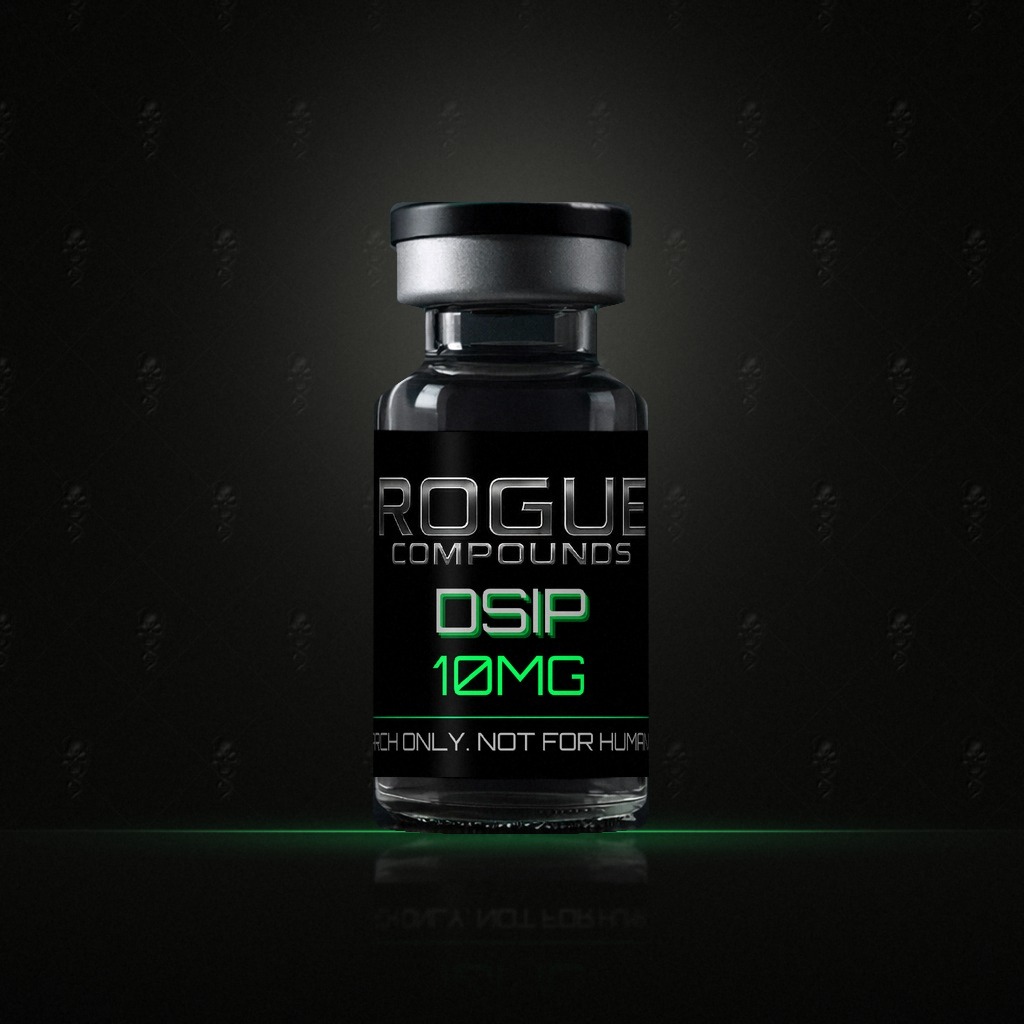
DSIP
CAS 62568-57-4848.8 g/molNonapeptide
DSIP (delta sleep-inducing peptide) is a nonapeptide studied in research models involving sleep architecture, stress-response signaling, neuroendocrine regulation, circadian biology, and recovery-related pathways.
$49.00
In stock
| Title | Range | Discount |
|---|---|---|
| Bulk pricing (same product) | 3 - 4 | 5% $46.55 |
| Bulk pricing (same product) | 5 - 9 | 10% $44.10 |
| Bulk pricing (same product) | 10 - 19 | 15% $41.65 |
| Bulk pricing (same product) | 20 + | 20% $39.20 |
Ships next business dayOrders placed before 12:00 PM MST (Mon–Fri) ship the same day.
UPS 2-Day shippingFree on orders over $250
2-day UPS shipping from the USATracked, discreet delivery on every order
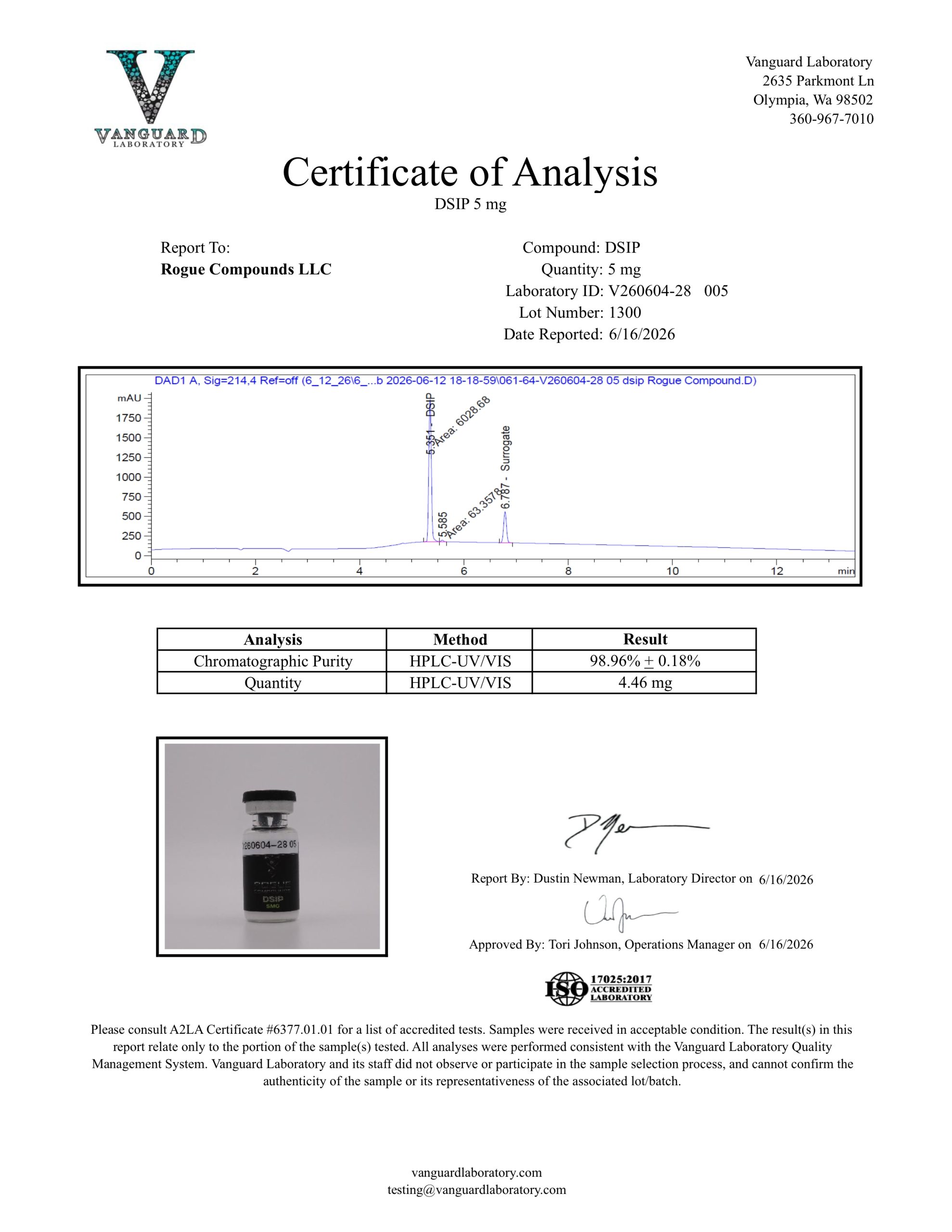
Scan-to-verify labelBatch QR on the vial opens the lab’s own report. COA on this page.
Secure encrypted checkout
Visa, Mastercard, Amex, Discover, Apple Pay, Google Pay, Affirm, Link, ACH & Zelle
FOR RESEARCH USE ONLY (RUO). NOT FOR DIAGNOSTIC, MEDICAL, HUMAN, OR ANIMAL USE.
Technical Specifications
Compound Information
Molecular Profile
What is DSIP?
CAS Number62568-57-4
Molecular FormulaC35H48N10O15
Molecular Weight848.8g/mol
Compound ClassNonapeptide
↗ View on PubChem
Storage Requirements
Stability Information
Store sealedProtect from lightKeep dry
2–8°C
Long-term storageLyophilized powder, as shipped. Keep sealed and refrigerated for maximum stability. Protect from light.
Cool & dry
Short-term storageStore sealed in a cool, dry place, protected from light.
For laboratory research use only. Not for human or veterinary use. Chemical data sourced from PubChem.
Peer-Reviewed Literature
The research behind this compound, cited in full.
Every reference below is a published, peer-reviewed record, linked to its PubMed entry. Provided for educational reference only, not product claims. For laboratory research use only.
- 01 Delta sleep-inducing peptide (DSIP): a still unresolved riddle Kovalzon VM, et al.
- 02 [DSIP: the sleep peptide or an unknown hypothalamic hormone?] Koval'zon VM
- 03 DSIP--a tool for investigating the sleep onset mechanism: a review Yehuda S, et al.
- 04 Delta-sleep-inducing peptide (DSIP): an update Graf MV, et al.
- 05 Pichia pastoris secreted peptides crossing the blood-brain barrier and DSIP fusion peptide efficacy in PCPA-induced insomnia mouse models Mu X, et al.