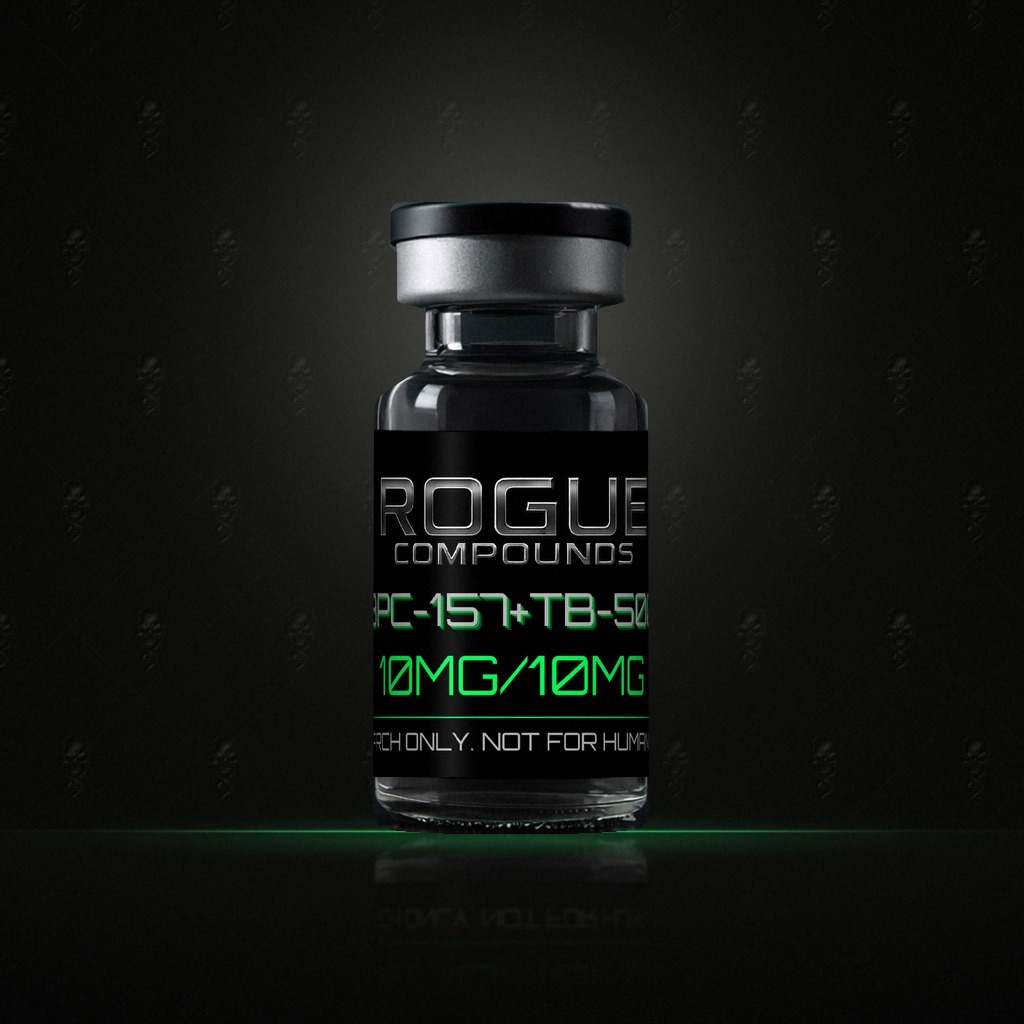
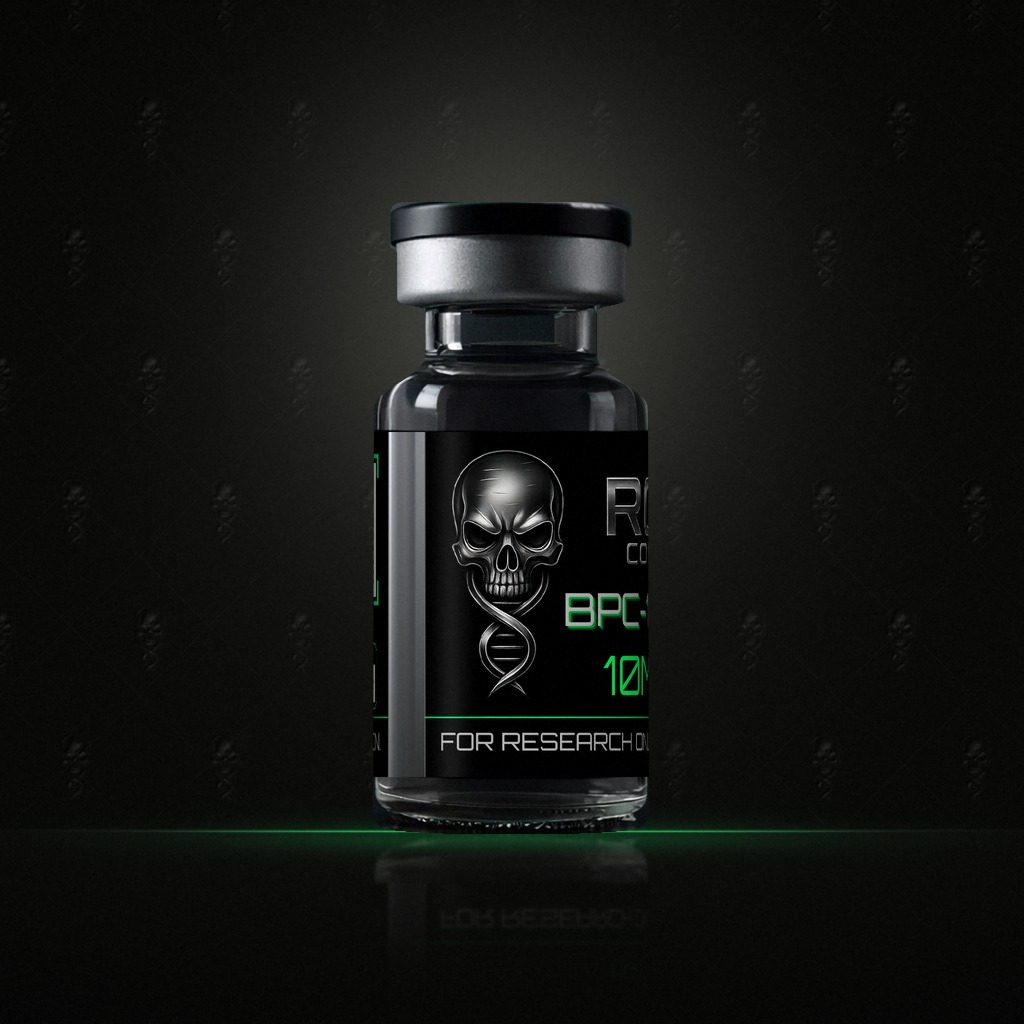
BPC-157 + TB-500 Blend
The BPC-157 + TB-500 blend is a lyophilized two-peptide research blend supplied in 10mg and 20mg vials. It pairs BPC-157, a synthetic 15-residue peptide based on a sequence from a gastric protein, with TB-500, a synthetic peptide related to thymosin β4. The two compounds act through unrelated mechanisms but are frequently examined in the same tissue-injury models, so some laboratories prefer to source them together for side-by-side or combination designs.
Product Specifications
- Product: BPC-157 + TB-500
- Amount: 10mg / 20mg
- Form: Lyophilized powder
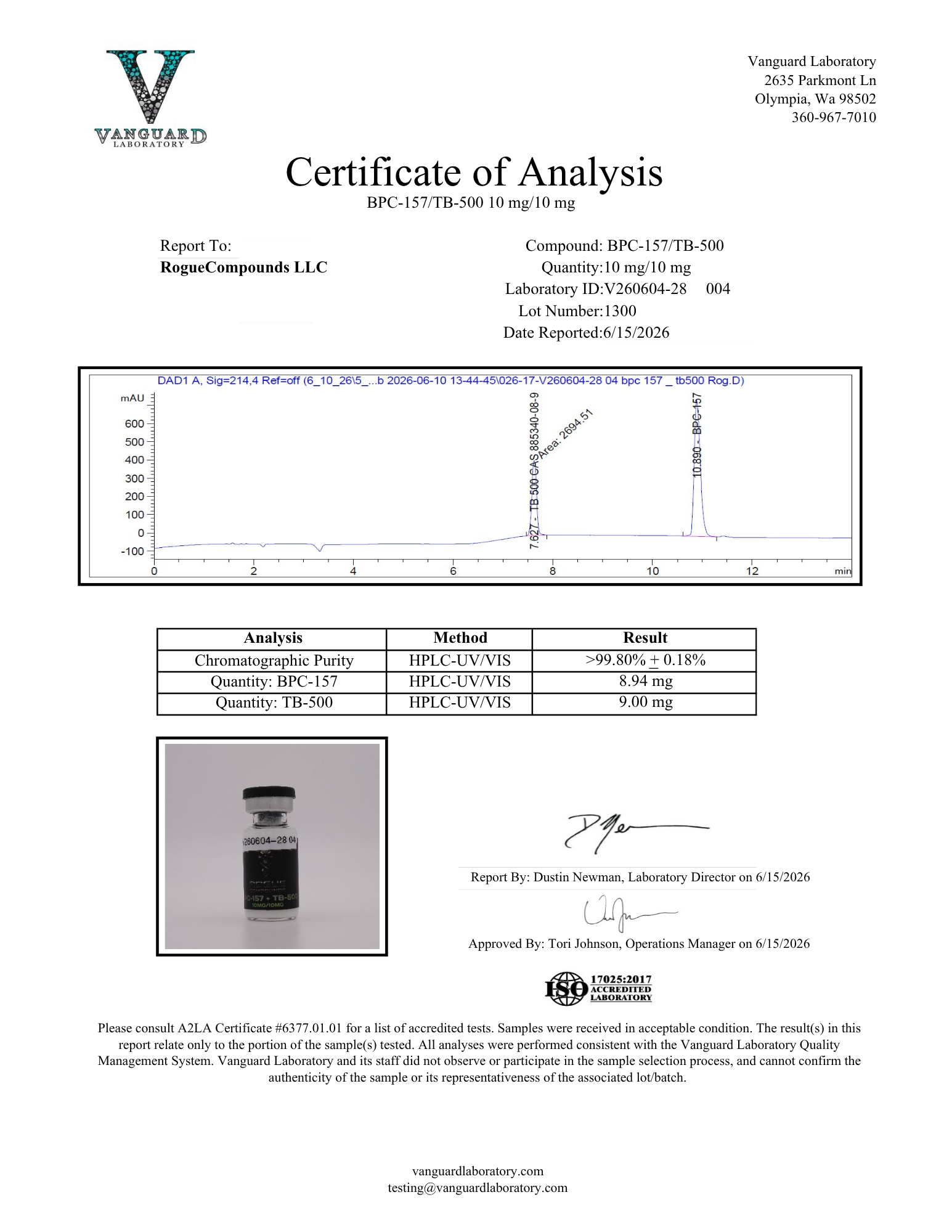
- Purity: Third-party tested by an ISO 17025 U.S. laboratory. See the batch Certificate of Analysis (COA) on this page.
- Storage: Keep sealed and refrigerated at 2–8°C (36–46°F), protected from light.
- Ships from: United States, 2-day UPS
Composition
- BPC-157: synthetic pentadecapeptide, Gly-Glu-Pro-Pro-Pro-Gly-Lys-Pro-Ala-Asp-Asp-Ala-Gly-Leu-Val; C62H98N16O22; 1419.5 g/mol; CAS 137525-51-0
- TB-500: synthetic peptide related to thymosin β4 (see our TB-500 page for how the name is used)
- Amount of each peptide per vial: stated on the vial label and the batch Certificate of Analysis
What researchers study
The two components come from separate bodies of literature:
- BPC-157: rat tendon explants and cultured tendon fibroblasts (outgrowth, survival, migration), and vascular-injury models with attention to nitric oxide signaling. Nearly all of this work is preclinical.
- Thymosin β4 / TB-500: G-actin sequestration, endothelial cell migration and rodent tissue-repair models, plus mass-spectrometry methods for detecting TB-500 fragments.
The most direct comparison so far is a 2026 rat study of surgically repaired Achilles tendons. Thirty-two animals were assigned to control, BPC-157, TB-500 or combined groups for four weeks and assessed by histology and biomechanical load-to-failure testing. The authors reported that combining the peptides did not add to the changes seen with either one alone, and called their findings exploratory, pending longer studies. Interaction questions of this kind, such as additive, redundant or interfering effects, are the main reason a premixed blend is used in research.
Regulatory status
Neither BPC-157 nor TB-500 is approved by the FDA for any use. On the World Anti-Doping Agency’s Prohibited List, BPC-157 falls under S0 (non-approved substances) and thymosin-β4 and its derivatives, including TB-500, are named under S2. This blend is sold as a research reagent only.
Quality & Documentation
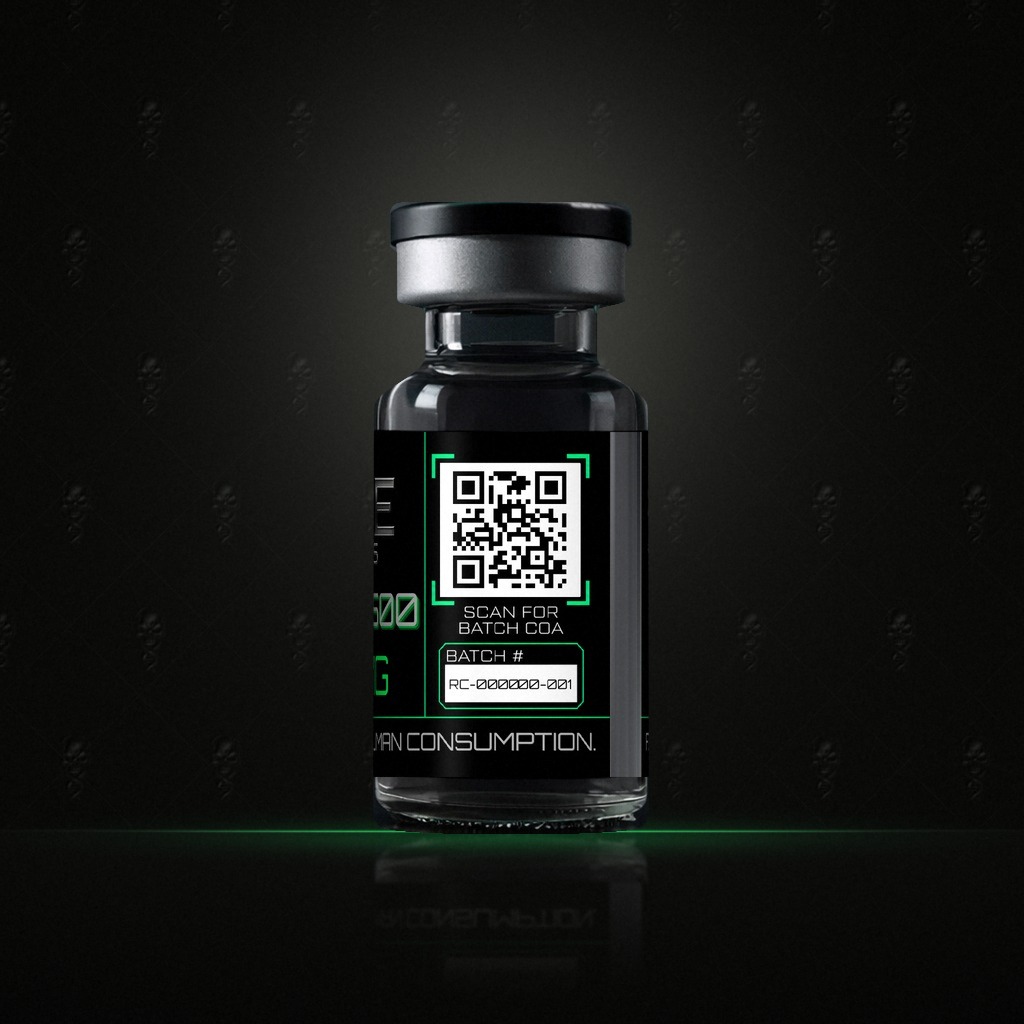
Every batch of BPC-157 + TB-500 is made in small runs for Rogue Compounds and tested by an independent U.S. laboratory for identity and concentration. Each vial is labeled with its batch number and a QR code that opens the testing lab’s own report for that batch. The same batch Certificate of Analysis is posted on this page and in our COA Library, so you can check one against the other.
Selected literature
- Biçer O, et al. Effects of BPC-157 and TB-500 on Achilles tendon healing in rats: a histopathological and biomechanical study. Jt Dis Relat Surg. 2026;37(3):822-837. PMID 42542926
- Chang CH, et al. The promoting effect of pentadecapeptide BPC 157 on tendon healing involves tendon outgrowth, cell survival, and cell migration. J Appl Physiol. 2011;110(3):774-780. PMID 21030672
- Seiwerth S, et al. BPC 157 and blood vessels. Curr Pharm Des. 2014;20(7):1121-1125. PMID 23782145
- Malinda KM, et al. Thymosin beta 4 stimulates directional migration of human umbilical vein endothelial cells. FASEB J. 1997;11(6):474-481. PMID 9194528
- Philp D, Kleinman HK. Animal studies with thymosin beta, a multifunctional tissue repair and regeneration peptide. Ann N Y Acad Sci. 2010;1194:81-86. PMID 20536453
Research Use Only
This product is sold strictly as a research chemical for in-vitro laboratory and analytical use by qualified professionals. It is not a drug, dietary supplement, food, or cosmetic, and it is not intended to diagnose, treat, cure, or prevent any disease. Not for human or veterinary use. Rogue Compounds does not provide dosing, preparation, or usage instructions. The literature on this page is listed for scientific background only and does not describe this product or any use of it.