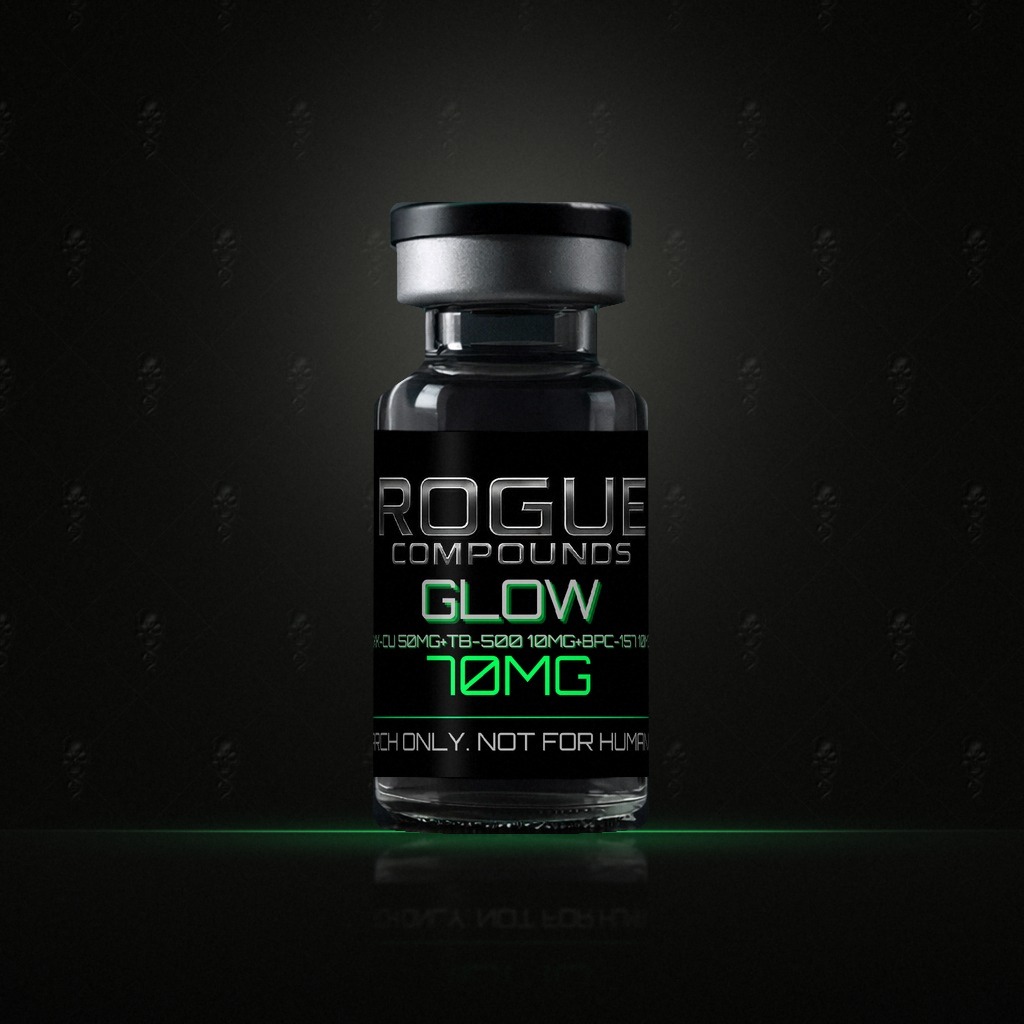
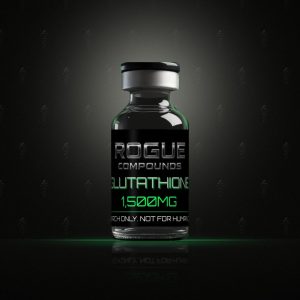
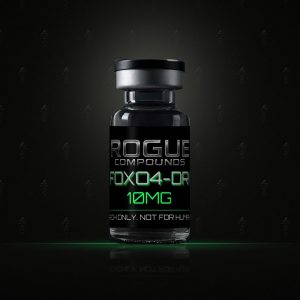
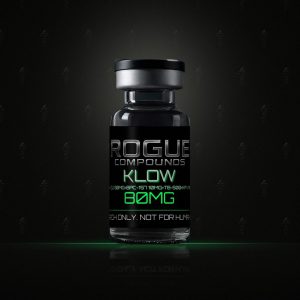
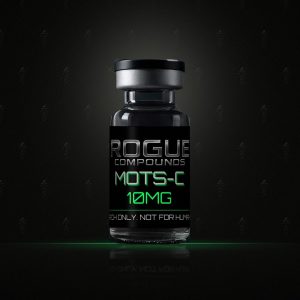
GLOW Blend (GHK-Cu + BPC-157 + TB-500)
The GLOW blend is a lyophilized three-peptide research blend that combines the copper tripeptide GHK-Cu with BPC-157 and TB-500. Each ingredient has an independent literature: GHK-Cu in extracellular-matrix and gene-expression studies, BPC-157 in rodent injury and vascular models, and thymosin β4-related peptides in actin and cell-migration biology. The blend places the three in a single vial for laboratories comparing or combining them.
Product Specifications
- Product: GLOW (GHK-Cu + BPC-157 + TB-500)
- Amount: See available options above
- Form: Lyophilized powder
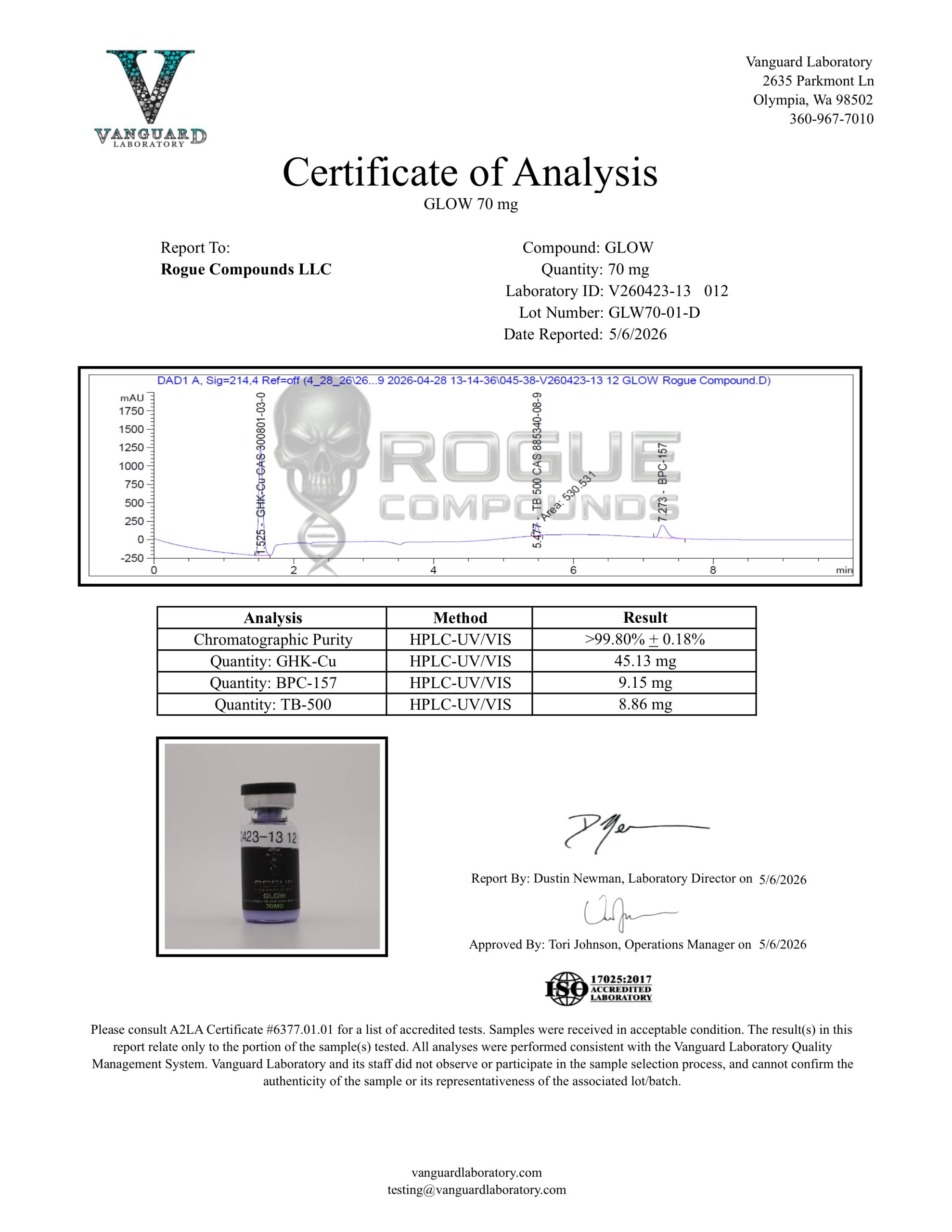
- Purity: Third-party tested by an ISO 17025 U.S. laboratory. See the batch Certificate of Analysis (COA) on this page.
- Storage: Keep sealed and refrigerated at 2–8°C (36–46°F), protected from light.
- Ships from: United States, 2-day UPS
Composition
- GHK-Cu: copper(II) complex of glycyl-L-histidyl-L-lysine (Gly-His-Lys); CAS 89030-95-5
- BPC-157: synthetic pentadecapeptide (Gly-Glu-Pro-Pro-Pro-Gly-Lys-Pro-Ala-Asp-Asp-Ala-Gly-Leu-Val); CAS 137525-51-0
- TB-500: synthetic peptide related to thymosin β4
- Amount of each peptide per vial: stated on the vial label and the batch Certificate of Analysis
What researchers study
The three components overlap mainly in studies of connective tissue and blood vessels:
- Matrix biology (GHK-Cu): collagen and glycosaminoglycan synthesis in fibroblast cultures, and gene-expression analyses in which GHK shifted the activity of large sets of genes linked to tissue remodeling.
- Vascular models (BPC-157): animal vascular-injury models and endothelial assays, with a focus on nitric oxide pathways.
- Cell migration (thymosin β4): directional migration of human umbilical vein endothelial cells and actin-binding studies.
A practical point for analytical work is that GHK-Cu is a metal complex: copper is held by the histidine imidazole, the glycine amino group and a backbone amide nitrogen. Mixtures containing it need methods that separate the copper complex from the two larger peptides. Combination data on all three together are not available in the peer-reviewed literature; the references below cover the individual ingredients.
Regulatory status
None of the three components is an FDA-approved drug. GHK-Cu appears in topical cosmetic products, but the material in this blend is a research reagent. On the World Anti-Doping Agency’s Prohibited List, BPC-157 falls under S0 and thymosin-β4 derivatives such as TB-500 are named under S2.
Quality & Documentation
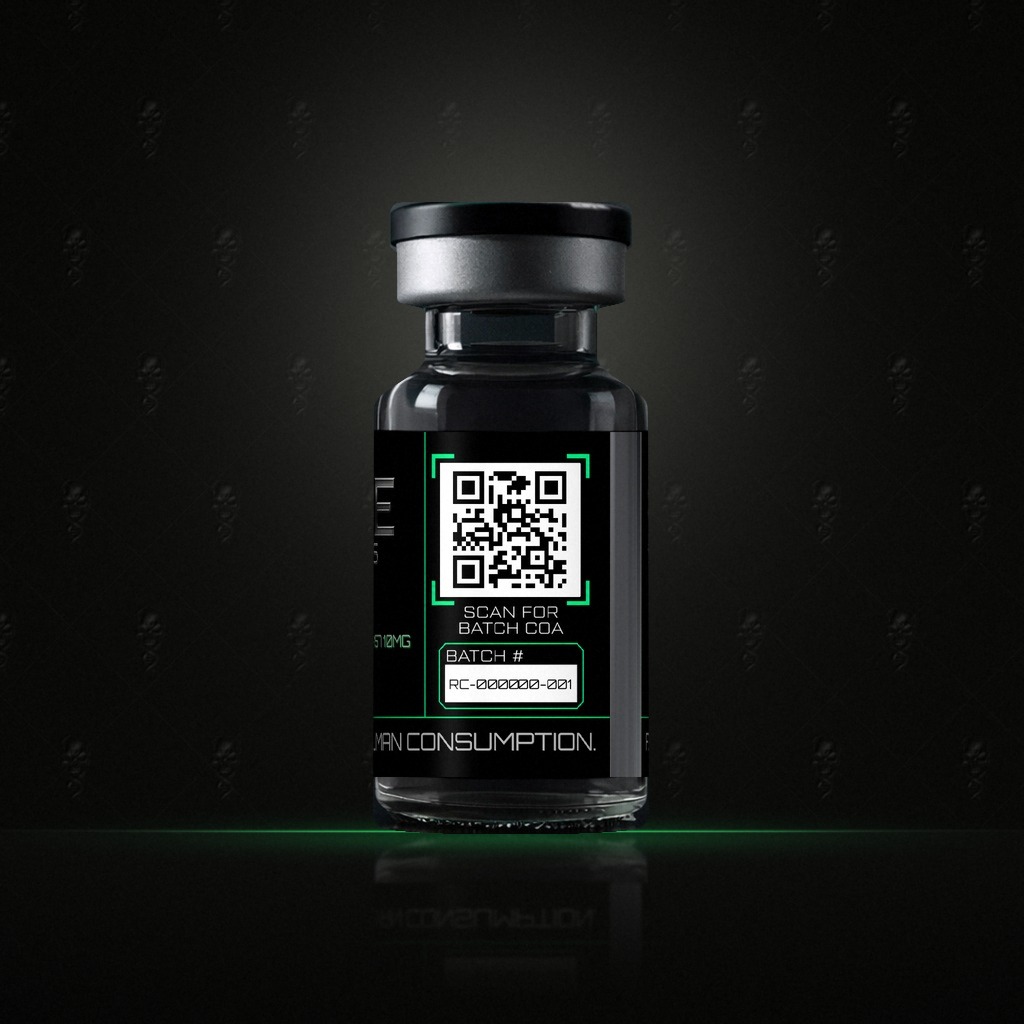
Every batch of GLOW is made in small runs for Rogue Compounds and tested by an independent U.S. laboratory for identity and concentration. Each vial is labeled with its batch number and a QR code that opens the testing lab’s own report for that batch. The same batch Certificate of Analysis is posted on this page and in our COA Library, so you can check one against the other.
Selected literature
- Maquart FX, et al. Stimulation of collagen synthesis in fibroblast cultures by the tripeptide-copper complex glycyl-L-histidyl-L-lysine-Cu2+. FEBS Lett. 1988;238(2):343-346. PMID 3169264
- Pickart L, Margolina A. Regenerative and protective actions of the GHK-Cu peptide in the light of the new gene data. Int J Mol Sci. 2018;19(7):1987. PMID 29986520
- Seiwerth S, et al. BPC 157 and blood vessels. Curr Pharm Des. 2014;20(7):1121-1125. PMID 23782145
- Malinda KM, et al. Thymosin beta 4 stimulates directional migration of human umbilical vein endothelial cells. FASEB J. 1997;11(6):474-481. PMID 9194528
Research Use Only
This product is sold strictly as a research chemical for in-vitro laboratory and analytical use by qualified professionals. It is not a drug, dietary supplement, food, or cosmetic, and it is not intended to diagnose, treat, cure, or prevent any disease. Not for human or veterinary use. Rogue Compounds does not provide dosing, preparation, or usage instructions. The literature on this page is listed for scientific background only and does not describe this product or any use of it.