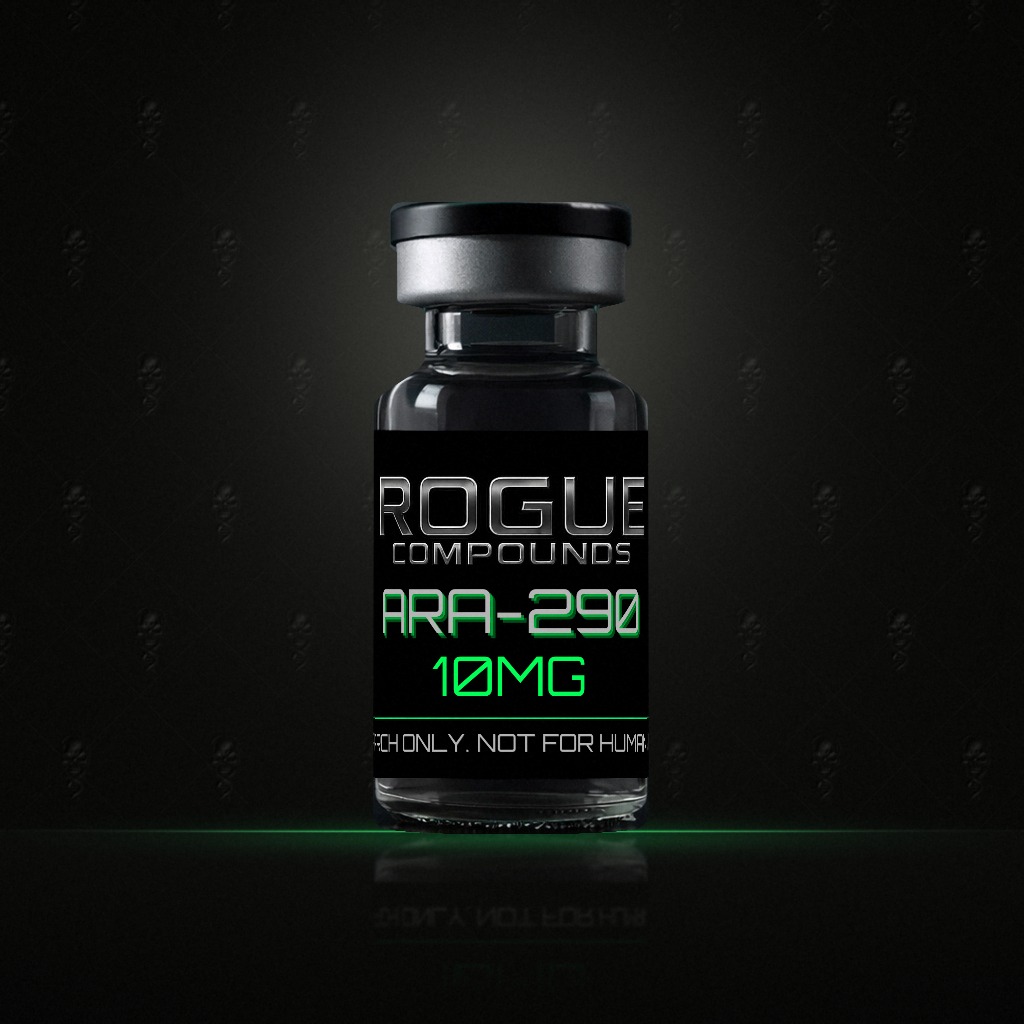
ARA-290
ARA-290 (cibinetide) is a synthetic 11-amino-acid peptide, also known as pyroglutamate helix B surface peptide (pHBSP). Its sequence was modeled on part of helix B of erythropoietin (EPO). The aim was a peptide that keeps the tissue-protective signaling attributed to EPO while not stimulating red blood cell production. In the research literature ARA-290 is described as a nonerythropoietic agonist of the tissue-protective receptor.
Product Specifications
- Product: ARA-290
- Amount: See available options above
- Form: Lyophilized powder
- Purity: Third-party tested by an ISO 17025 U.S. laboratory. The batch Certificate of Analysis (COA) is posted on this page when the batch is in stock.
- Storage: Keep sealed and refrigerated at 2–8°C (36–46°F), protected from light.
- Ships from: United States, 2-day UPS
Chemical Profile
- Compound class: Synthetic 11-amino-acid peptide
- Sequence: pGlu-Glu-Gln-Leu-Glu-Arg-Ala-Leu-Asn-Ser-Ser (11 residues; N-terminal pyroglutamate)
- Molecular formula: C51H84N16O21
- Molecular weight: 1257.3 g/mol
- CAS number: 1208243-50-8
The receptor biology
EPO drives red cell production through a homodimer of the classical EPO receptor. A separate receptor complex, formed by the EPO receptor and the β-common receptor subunit (CD131) and often called the innate repair receptor, has been proposed to mediate EPO’s tissue-protective effects. ARA-290 was designed to engage this heteroreceptor selectively. Whether functional EPO receptors are present in non-blood tissues is still debated: one study reported them undetectable in endothelial, cardiac, neuronal and renal cells, while another found wide expression in brain that increased after injury.
What researchers study
- Vascular biology: endothelial progenitor cells, their angiogenic potential and homing.
- Nerve injury and neuropathic pain models: peripheral nerve injury and small-fiber neuropathy models in rodents.
- Metabolic models: insulin secretion, adipose inflammation and glucose tolerance in rodent models.
- Neuroinflammation: experimental autoimmune encephalomyelitis in rats.
Regulatory status
ARA-290 is not approved by the FDA or any other regulator; it has been evaluated in clinical studies by its developer. The World Anti-Doping Agency’s Prohibited List includes “innate repair receptor agonists” as a class under S2; ARA-290 is not named individually. It is sold here as a research reagent only.
Quality & Documentation
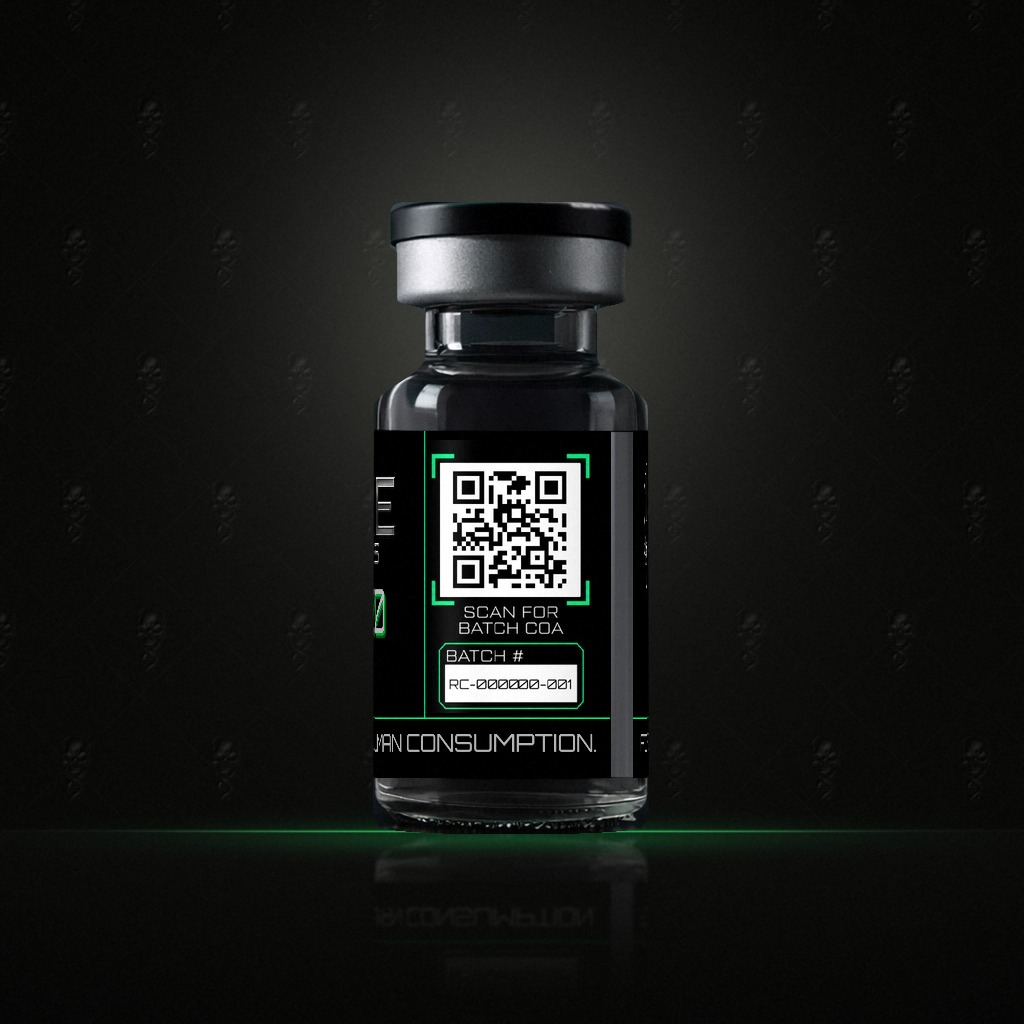
Every batch of ARA-290 is made in small runs for Rogue Compounds and tested by an independent U.S. laboratory for identity (mass spectrometry) and purity (HPLC). Each vial is labeled with its batch number and a QR code that opens the testing lab’s own report for that batch. When a batch is in stock, its Certificate of Analysis is posted on this page and in our COA Library, so you can check one against the other.
Research overview
For a longer look at ARA-290 (Cibinetide), covering where it came from, what cell and animal studies have measured, and what the evidence does not show, read our ARA-290 (Cibinetide) research overview. It is written as background reading, and every study it cites is linked to PubMed.
Selected literature
- ARA290, a specific agonist of erythropoietin/CD131 heteroreceptor, improves circulating endothelial progenitors’ angiogenic potential and homing ability. Shock. 2016;46(4):390-397. PMID 27172159
- Sinclair AM, et al. Functional erythropoietin receptor is undetectable in endothelial, cardiac, neuronal, and renal cells. Blood. 2010;115(21):4264-4272. PMID 20124513
- Ott C, et al. Widespread expression of erythropoietin receptor in brain and its induction by injury. Mol Med. 2015;21(1):803-815. PMID 26349059
Research Use Only
This product is sold strictly as a research chemical for in-vitro laboratory and analytical use by qualified professionals. It is not a drug, dietary supplement, food, or cosmetic, and it is not intended to diagnose, treat, cure, or prevent any disease. Not for human or veterinary use. Rogue Compounds does not provide dosing, preparation, or usage instructions. The literature on this page is listed for scientific background only and does not describe this product or any use of it.