HMG
HMG (human menopausal gonadotropin, menotropins) is a gonadotropin preparation that contains both follicle-stimulating hormone (FSH) and luteinizing hormone (LH) activity. Historically it has been purified from the urine of postmenopausal women, in whom gonadotropin output is high. Unlike a single recombinant hormone, HMG is a mixture of two related glycoprotein heterodimers that share a common alpha subunit and differ in their hormone-specific beta subunits.
Product Specifications
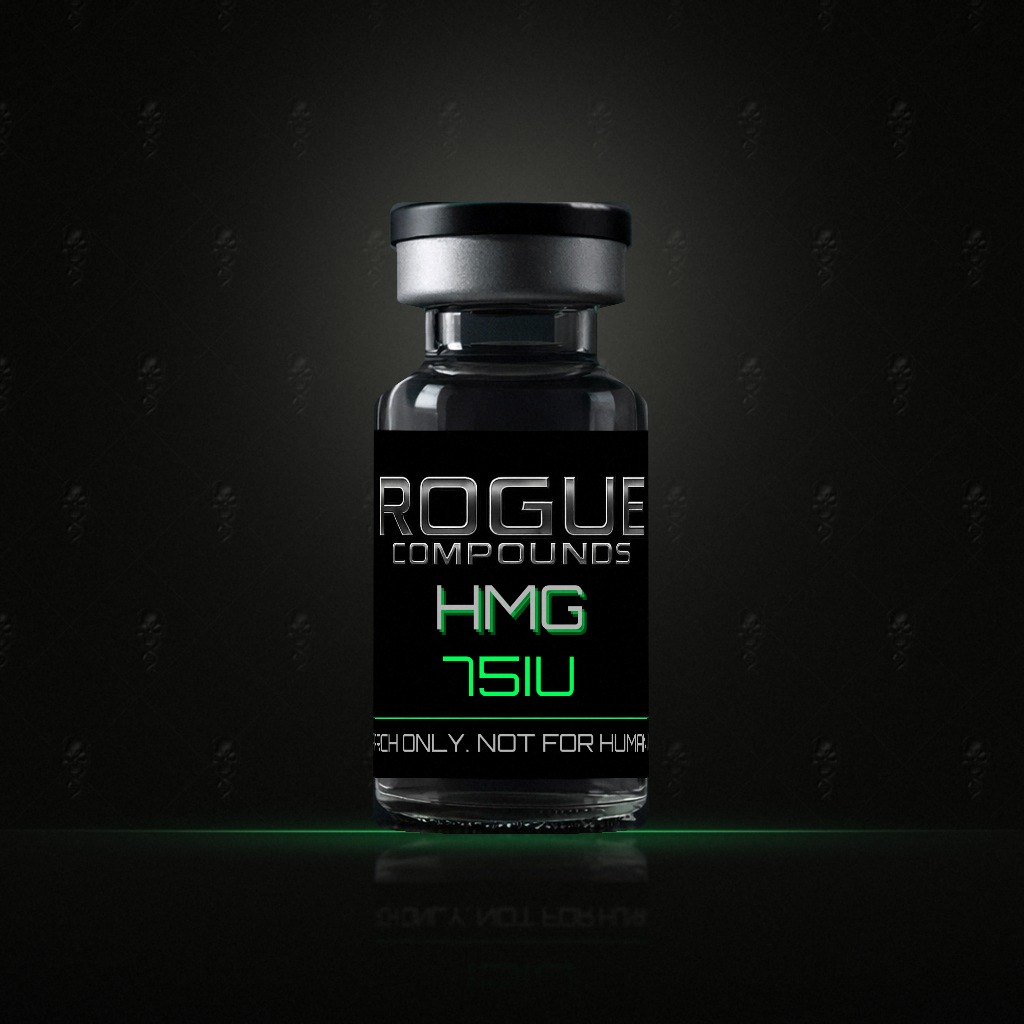
- Product: HMG
- Amount: 75 IU per vial
- Form: Lyophilized powder
- Purity: Third-party tested by an ISO 17025 U.S. laboratory. See the batch Certificate of Analysis (COA) on this page.
- Storage: Keep sealed and refrigerated at 2–8°C (36–46°F), protected from light.
- Ships from: United States, 2-day UPS
Chemical Profile
- Compound class: Glycoprotein hormone mixture (FSH + LH activity)
- Components: Follicle-stimulating hormone and luteinizing hormone, each an alpha/beta heterodimer sharing a common 92-residue alpha subunit
- Molecular formula: Not applicable (mixture of glycoproteins)
- Molecular weight: Not applicable (mixture); individual gonadotropins are approximately 30–35 kDa
- CAS number: 61489-71-2
What researchers study
The two activities in HMG act at two different receptors on gonadal cells. FSH binds the FSH receptor (FSHR) on ovarian granulosa cells and testicular Sertoli cells. LH binds the LH/choriogonadotropin receptor (LHCGR) on theca, luteal and Leydig cells. Both are class A G protein-coupled receptors with large extracellular hormone-binding domains, and both signal mainly through Gs, cAMP and protein kinase A.
Because HMG provides combined FSH and LH activity, it is used in research that asks how the two signals cooperate. The classic example is the "two-cell, two-gonadotropin" model of ovarian steroid production: LH drives androgen synthesis in theca cells, and FSH induces aromatase in neighboring granulosa cells, which converts those androgens into estrogens.
Typical research applications include:
- Follicle culture: in-vitro growth of isolated rodent and other mammalian follicles, and oocyte maturation studies.
- Granulosa and theca cell models: aromatase induction, steroidogenic gene expression and cAMP signaling.
- Comparative gonadotropin studies: how urinary-derived mixtures compare with recombinant FSH and LH in glycoform profile and receptor activity.
- Analytical work: glycoform characterization and immunoassay of FSH and LH.
The FSH:LH ratio and potency of any HMG preparation depend on its source and purification, so the batch COA should be used as the reference for each vial.
Regulatory status
Menotropins are the active ingredient of FDA-approved prescription drug products in pharmaceutical form. Luteinizing hormone, one of its components, is listed by the World Anti-Doping Agency under S2 (peptide hormones), prohibited in males. The material sold here is a research reagent, not an approved drug product, and is not for human or veterinary use.
Quality & Documentation
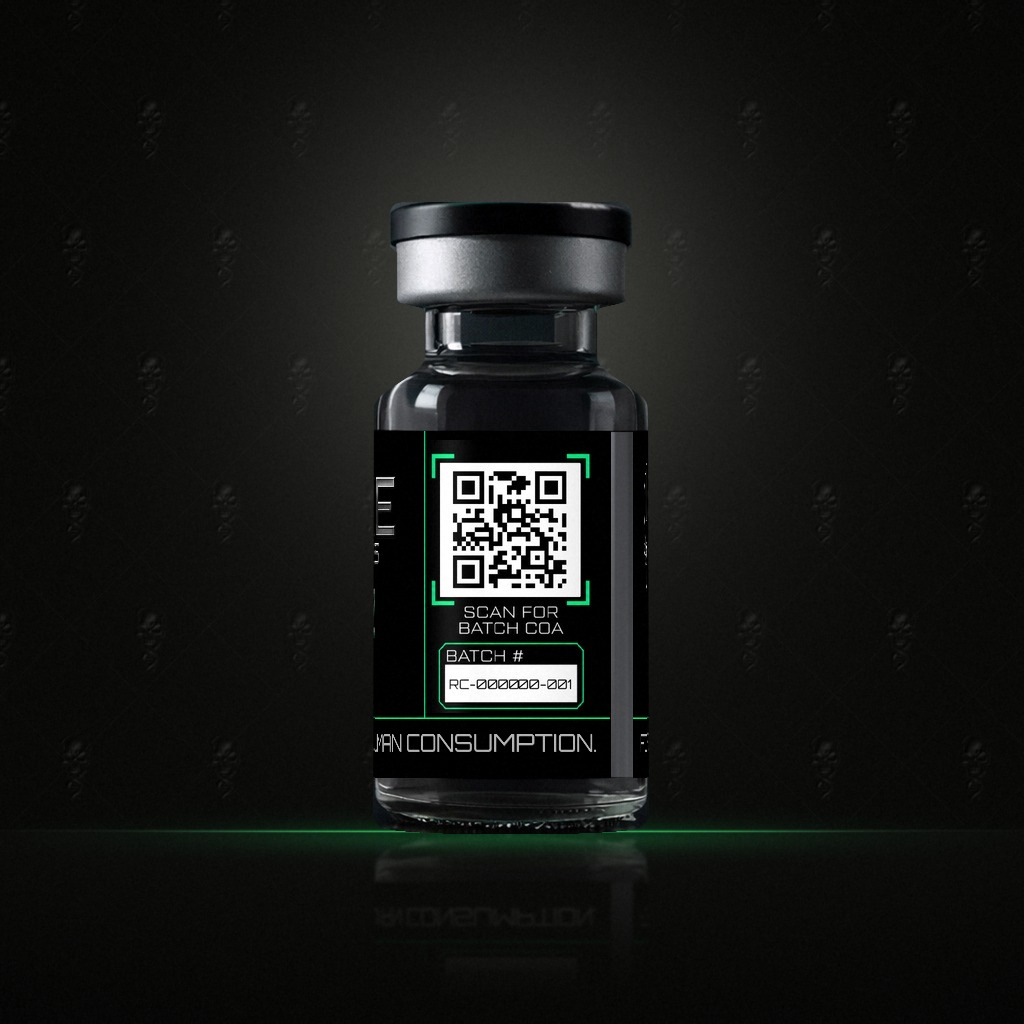
Every batch of HMG is made in small runs for Rogue Compounds and tested by an independent U.S. laboratory for identity (mass spectrometry) and purity (HPLC). Each vial is labeled with its batch number and a QR code that opens the testing lab’s own report for that batch. The same batch Certificate of Analysis is posted on this page and in our COA Library, so you can check one against the other.
Selected literature
- Lunenfeld B. Historical perspectives in gonadotrophin therapy. Hum Reprod Update. 2004;10(6):453-67. PMID 15388674
- Fan QR, et al. Structure of human follicle-stimulating hormone in complex with its receptor. Nature. 2005;433(7023):269-77. PMID 15662415
- Ascoli M, et al. The lutropin/choriogonadotropin receptor, a 2002 perspective. Endocr Rev. 2002;23(2):141-74. PMID 11943741
- Casarini L, et al. LH and hCG action on the same receptor results in quantitatively and qualitatively different intracellular signalling. PLoS One. 2012;7(10):e46682. PMID 23071612
Research Use Only
This product is sold strictly as a research chemical for in-vitro laboratory and analytical use by qualified professionals. It is not a drug, dietary supplement, food, or cosmetic, and it is not intended to diagnose, treat, cure, or prevent any disease. Not for human or veterinary use. Rogue Compounds does not provide dosing, preparation, or usage instructions. The literature on this page is listed for scientific background only and does not describe this product or any use of it.


 KISSPEPTIN-10View$59.00