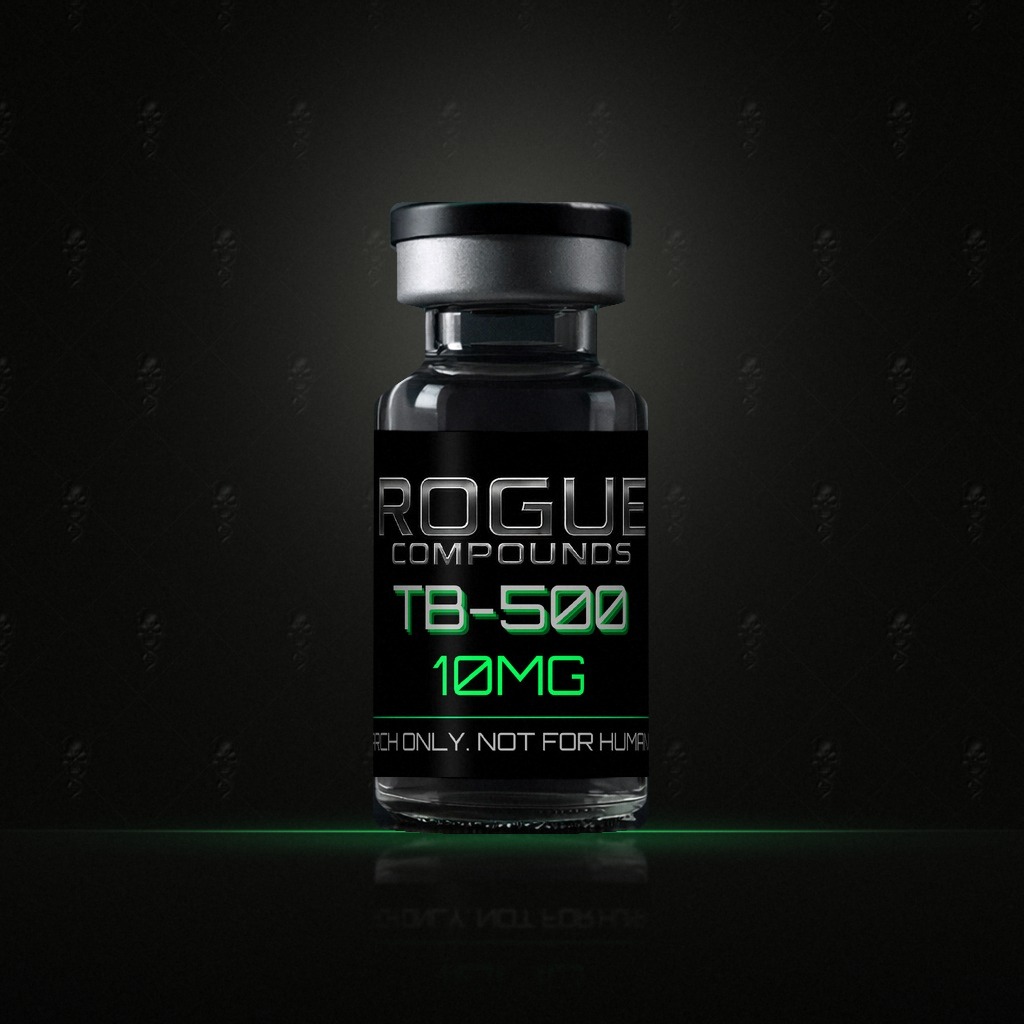
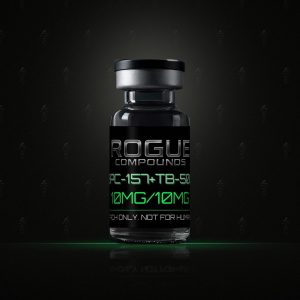
TB-500
TB-500 is a research peptide name tied to thymosin β4 (Tβ4), a 43-amino-acid, N-terminally acetylated peptide present in most mammalian cells and one of the main proteins that hold monomeric actin in reserve inside the cell. “TB-500” is a trade name rather than a standardized chemical name. Doping-control laboratories describe TB-500 as a synthetic version of an active region of Tβ4, built around the acetylated 17–23 fragment (Ac-Leu-Lys-Lys-Thr-Glu-Thr-Gln), while some suppliers use the name for full-length synthetic Tβ4. The identifiers below are those of full-length acetylated thymosin β4; the batch COA records what was found in the vial.
Product Specifications
- Product: TB-500
- Amount: See available options above
- Form: Lyophilized powder
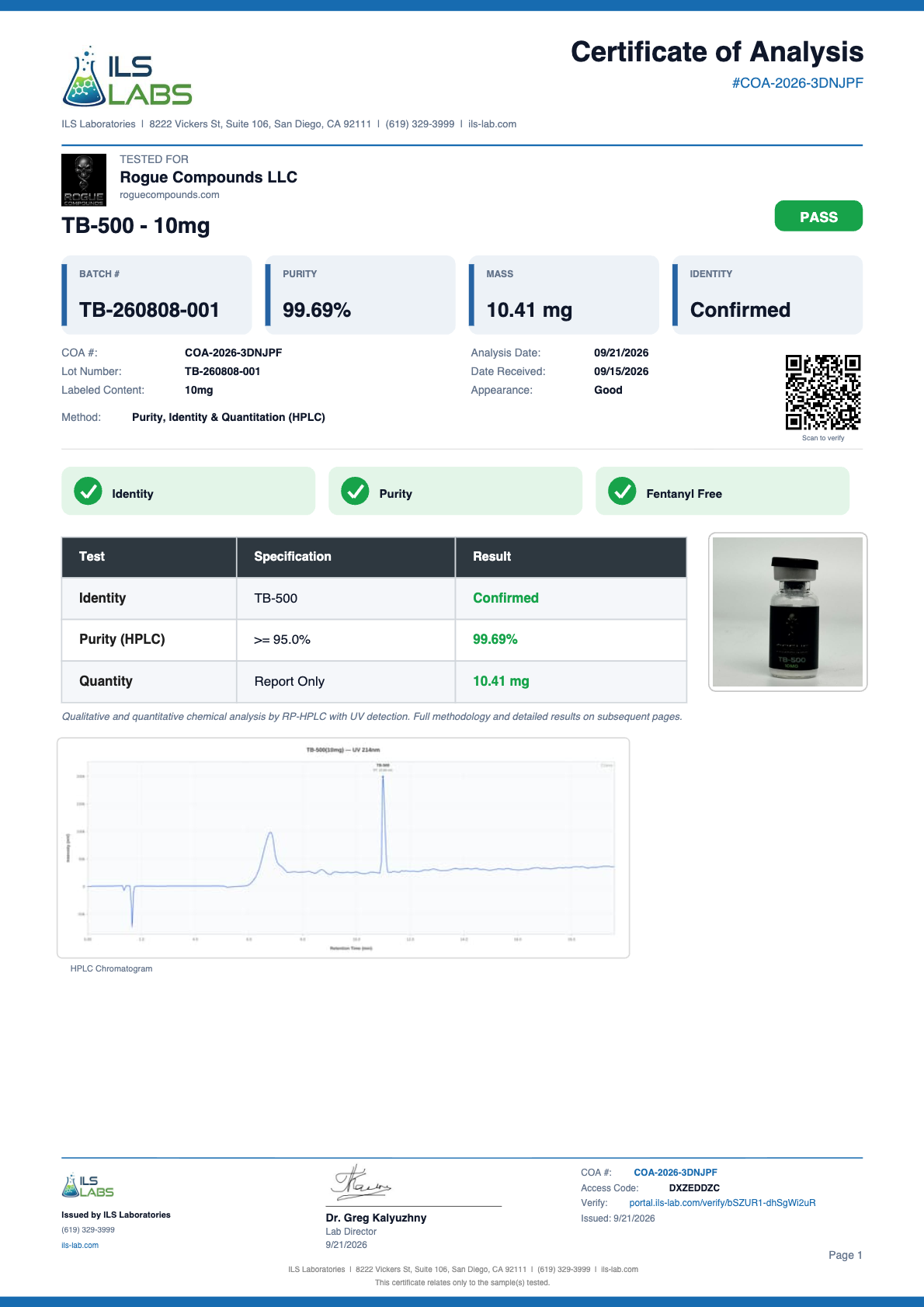
- Purity: Third-party tested by an ISO 17025 U.S. laboratory. See the batch Certificate of Analysis (COA) on this page.
- Storage: Keep sealed and refrigerated at 2–8°C (36–46°F), protected from light.
- Ships from: United States, 2-day UPS
Chemical Profile
- Compound class: Thymosin β4 (43-amino-acid peptide, N-terminally acetylated)
- Molecular formula: C212H350N56O78S
- Molecular weight: 4963 g/mol
- CAS number: 77591-33-4
What researchers study
Main lines of work on thymosin β4 and its fragments:
- Actin dynamics: Tβ4 binds globular (G-) actin in a 1:1 complex and keeps it from polymerizing. The Leu-Lys-Lys-Thr-Glu-Thr motif that begins at residue 17 is conserved across the β-thymosin family and sits in the actin-binding region, which is why the 17–23 fragment attracted attention.
- Cell migration and angiogenesis: endothelial cell (HUVEC) assays measuring directional migration, and vessel-formation readouts in animal models.
- Tissue-repair models: dermal, corneal and cardiac injury studies in rodents.
- Tendon: a 2026 rat Achilles tendon repair study compared TB-500, BPC-157 and their combination using histology and load-to-failure testing; the authors described the findings as exploratory.
- Analytical detection: liquid chromatography–mass spectrometry methods for TB-500 and its metabolites in biological matrices, developed mainly for anti-doping programs.
This literature comes from animal and cell models and does not establish effects in humans.
Regulatory status
Neither TB-500 nor thymosin β4 is approved by the FDA for any use. The World Anti-Doping Agency’s Prohibited List names “thymosin-β4 and its derivatives, e.g. TB-500” under S2 (peptide hormones, growth factors, related substances and mimetics). It is sold here as a research reagent only.
Quality & Documentation
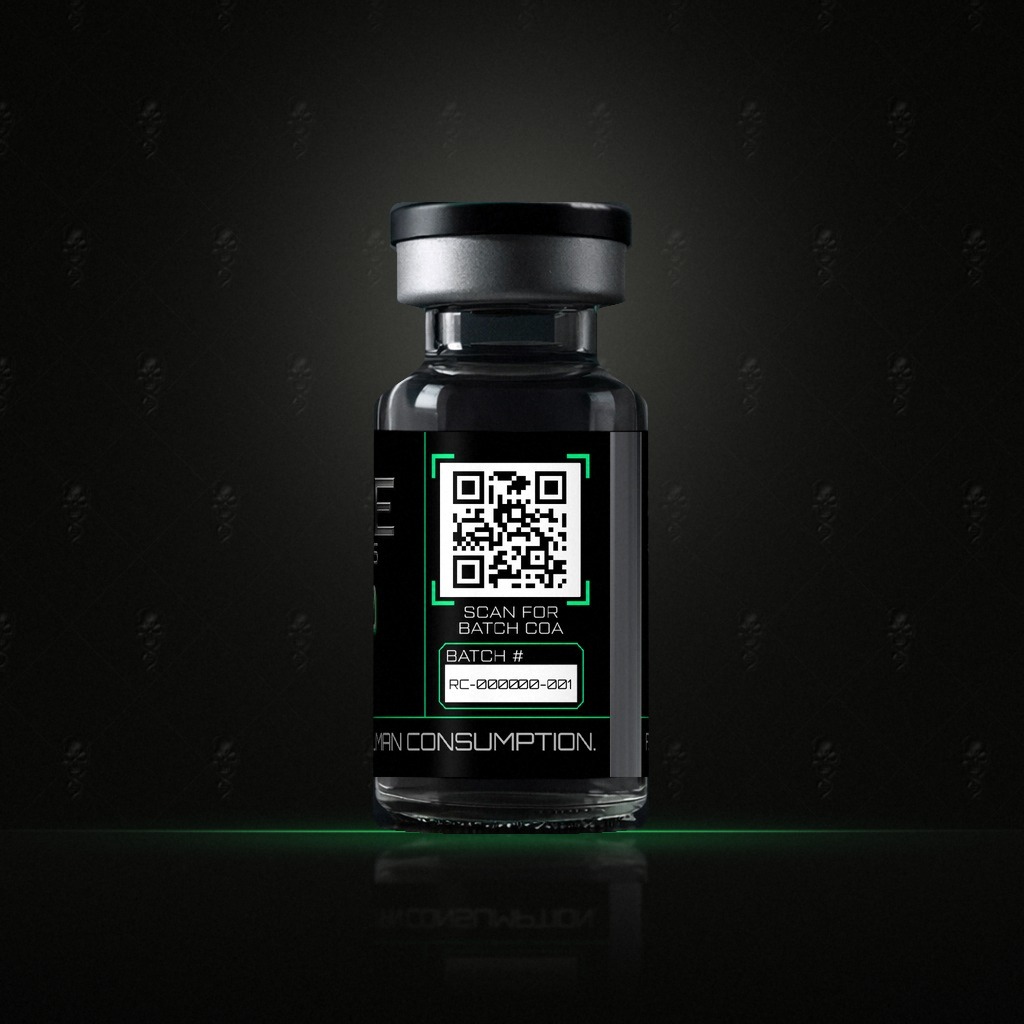
Every batch of TB-500 is made in small runs for Rogue Compounds and tested by an independent U.S. laboratory for identity (mass spectrometry) and purity (HPLC). Each vial is labeled with its batch number and a QR code that opens the testing lab’s own report for that batch. The same batch Certificate of Analysis is posted on this page and in our COA Library, so you can check one against the other.
Research overview
For a longer look at TB-500 (Thymosin Beta-4), covering where it came from, what cell and animal studies have measured, and what the evidence does not show, read our TB-500 (Thymosin Beta-4) research overview. It is written as background reading, and every study it cites is linked to PubMed.
Selected literature
- Safer D, et al. Thymosin beta 4 and Fx, an actin-sequestering peptide, are indistinguishable. J Biol Chem. 1991;266(7):4029-4032. PMID 1999398
- Malinda KM, et al. Thymosin beta 4 stimulates directional migration of human umbilical vein endothelial cells. FASEB J. 1997;11(6):474-481. PMID 9194528
- Philp D, Kleinman HK. Animal studies with thymosin beta, a multifunctional tissue repair and regeneration peptide. Ann N Y Acad Sci. 2010;1194:81-86. PMID 20536453
- Ho EN, et al. Doping control analysis of TB-500, a synthetic version of an active region of thymosin β4, in equine urine and plasma by liquid chromatography-mass spectrometry. J Chromatogr A. 2012;1265:57-69. PMID 23084823
- Biçer O, et al. Effects of BPC-157 and TB-500 on Achilles tendon healing in rats: a histopathological and biomechanical study. Jt Dis Relat Surg. 2026;37(3):822-837. PMID 42542926
Research Use Only
This product is sold strictly as a research chemical for in-vitro laboratory and analytical use by qualified professionals. It is not a drug, dietary supplement, food, or cosmetic, and it is not intended to diagnose, treat, cure, or prevent any disease. Not for human or veterinary use. Rogue Compounds does not provide dosing, preparation, or usage instructions. The literature on this page is listed for scientific background only and does not describe this product or any use of it.