MOTS-C
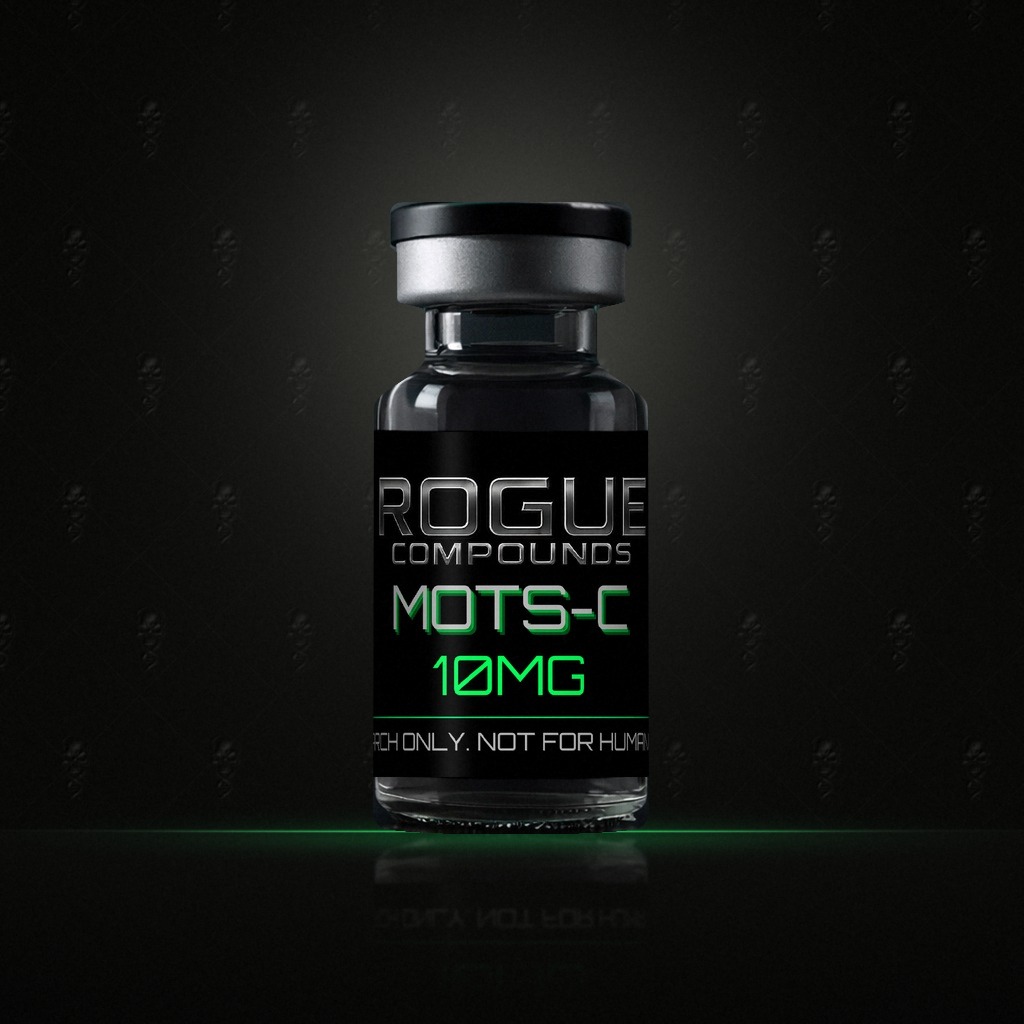
MOTS-C (mitochondrial open reading frame of the 12S rRNA type-c) is a 16-amino-acid peptide encoded not in the nucleus but in mitochondrial DNA, within the gene for the 12S ribosomal RNA. It was described in 2015 as one of a small group of mitochondrial-derived peptides, alongside humanin, and it changed how researchers think about the mitochondrial genome: as a source of signaling molecules as well as respiratory-chain subunits. Rogue Compounds supplies synthetic MOTS-C as a lyophilized powder.
Product Specifications
- Product: MOTS-C
- Amount: 5mg / 10mg / 40mg
- Form: Lyophilized powder
- Purity: Third-party tested by an ISO 17025 U.S. laboratory. See the batch Certificate of Analysis (COA) on this page.
- Storage: Keep sealed and refrigerated at 2–8°C (36–46°F), protected from light.
- Ships from: United States, 2-day UPS
Chemical Profile
- Compound class: Mitochondrial-derived peptide, 16 residues
- Sequence: Met-Arg-Trp-Gln-Glu-Met-Gly-Tyr-Ile-Phe-Tyr-Pro-Arg-Lys-Leu-Arg
- Molecular formula: C101H152N28O22S2
- Molecular weight: 2174.6 g/mol
- CAS number: 1627580-64-6
What researchers study
The original 2015 study linked MOTS-C to the folate cycle and de novo purine synthesis. In cultured cells, the peptide was reported to inhibit the folate cycle, leading to accumulation of the purine intermediate AICAR and activation of AMP-activated protein kinase (AMPK), a central energy sensor. Skeletal muscle emerged as a primary target tissue in the rodent work that followed.
A second line of research concerns retrograde signaling. Under metabolic stress such as glucose restriction or oxidative stress, MOTS-C was observed to move from the cytoplasm into the nucleus, where it associated with chromatin and influenced the expression of antioxidant-response genes, partly in cooperation with the transcription factor NRF2. That made it one of the first examples of a mitochondrially encoded peptide acting directly on nuclear gene expression.
Current studies cover:
- AMPK signaling and nucleotide metabolism in cell lines
- Skeletal muscle metabolism and insulin signaling in rodent diet models
- Circulating and tissue MOTS-C levels across age and physiological states
- Nuclear translocation and stress-response gene regulation
Regulatory status
MOTS-C is not approved by the FDA for any use and is not approved for human use as sold here. It is a research reagent only.
Quality & Documentation
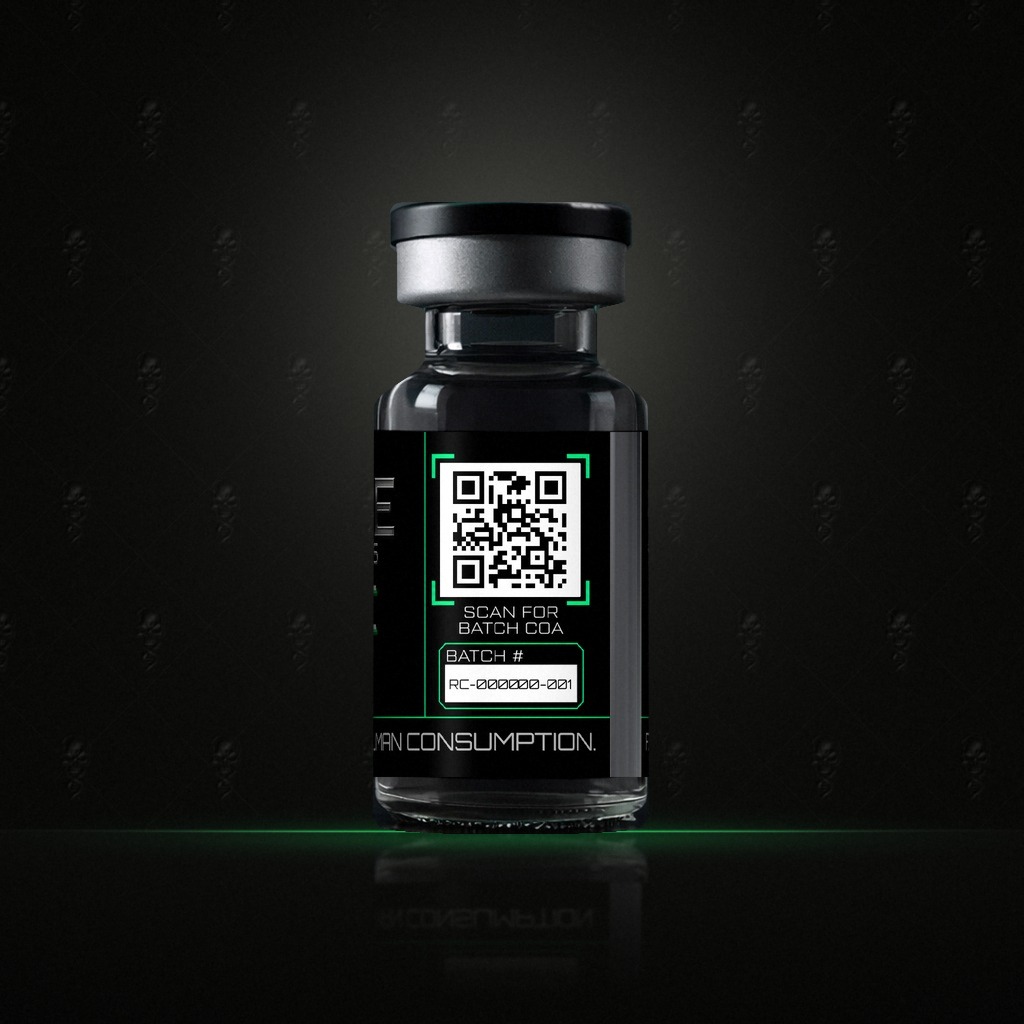
Every batch of MOTS-C is made in small runs for Rogue Compounds and tested by an independent U.S. laboratory for identity (mass spectrometry) and purity (HPLC). Each vial is labeled with its batch number and a QR code that opens the testing lab’s own report for that batch. The same batch Certificate of Analysis is posted on this page and in our COA Library, so you can check one against the other.
Research overview
For a longer look at MOTS-c, covering where it came from, what cell and animal studies have measured, and what the evidence does not show, read our MOTS-c research overview. It is written as background reading, and every study it cites is linked to PubMed.
Selected literature
- Lee C, et al. The mitochondrial-derived peptide MOTS-c promotes metabolic homeostasis and reduces obesity and insulin resistance. Cell Metab. 2015;21(3):443-454. PMID 25738459
- Kim KH, et al. The mitochondrial-encoded peptide MOTS-c translocates to the nucleus to regulate nuclear gene expression in response to metabolic stress. Cell Metab. 2018;28(3):516-524. PMID 29983246
- Lee C, Kim KH, Cohen P. MOTS-c: a novel mitochondrial-derived peptide regulating muscle and fat metabolism. Free Radic Biol Med. 2016;100:182-187. PMID 27216708
- Wan W, et al. Mitochondria-derived peptide MOTS-c: effects and mechanisms related to stress, metabolism and aging. J Transl Med. 2023;21:36. PMID 36670507
Research Use Only
This product is sold strictly as a research chemical for in-vitro laboratory and analytical use by qualified professionals. It is not a drug, dietary supplement, food, or cosmetic, and it is not intended to diagnose, treat, cure, or prevent any disease. Not for human or veterinary use. Rogue Compounds does not provide dosing, preparation, or usage instructions. The literature on this page is listed for scientific background only and does not describe this product or any use of it.